

Technical SEO vs On-Page SEO: What Does Your Business Actually Need?
When I audit a website, I rarely start by asking, “Should we do technical SEO or on-page SEO?” I start by asking what is actually stopping the site from growing. Is Google struggling to access or index the right pages? Or are the pages already accessible but too weak, generic, or misaligned with what people are searching for? That distinction matters because technical SEO and on-page SEO solve different problems.
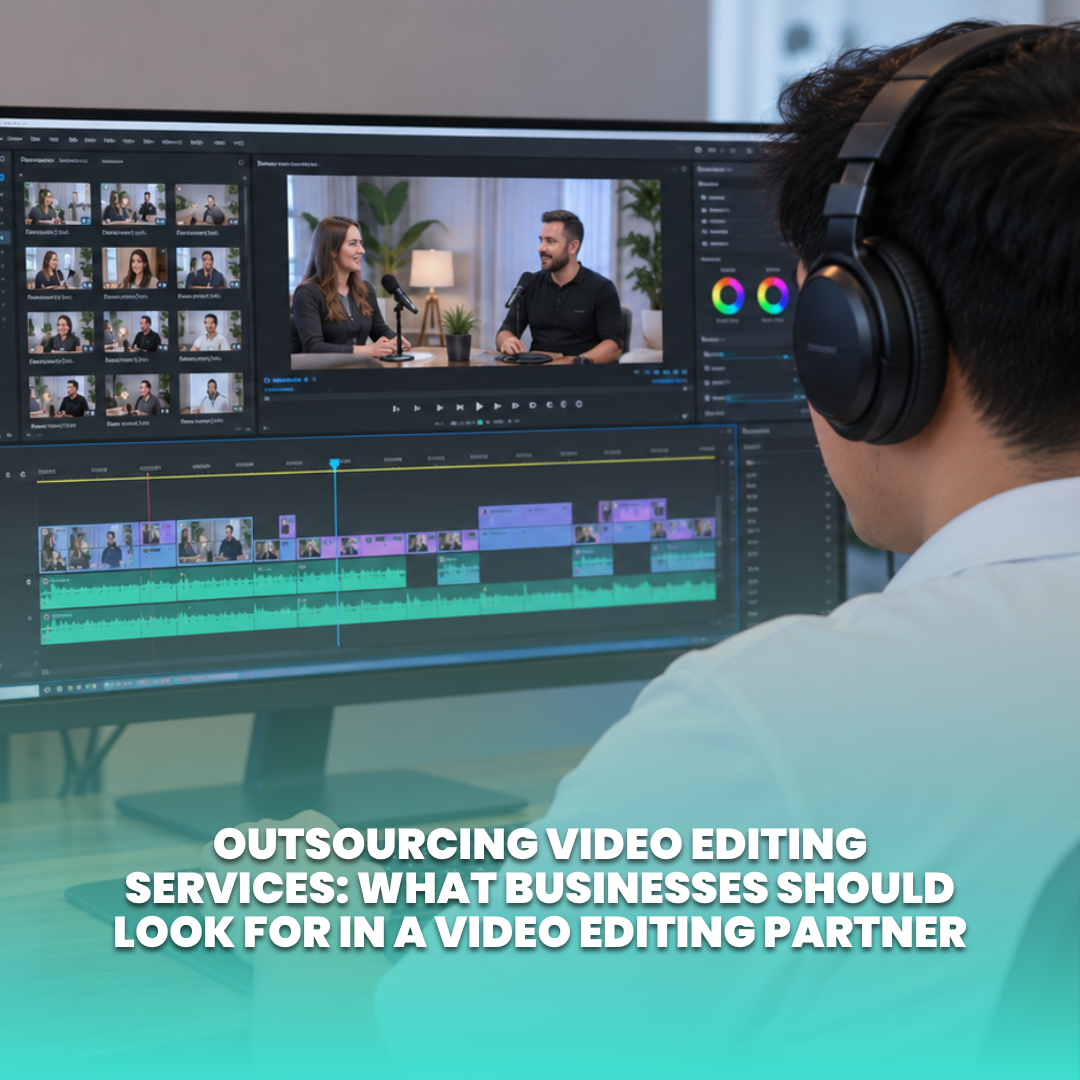
Outsourcing Video Editing Services: What Businesses Should Look for in a Video Editing Partner
In my work as a Video Editing Specialist at Smart VAs, I have learned that outsourcing video editing services works best when the editor understands more than editing software. Before I touch a timeline, I want to know five things: what the video needs to accomplish, who it is for, how the brand should feel, where the video will be published, and how the client wants the review process to work.

Should You Hire a Shopify Expert or Manage Your Store Yourself?
Managing a Shopify store yourself saves upfront costs, but daily maintenance, product updates, and technical setup can quickly pull your focus away from growing your business. This guide breaks down the hidden costs of DIY management, key tasks to delegate, and how to evaluate your operational workload to decide if it’s time to hire a Shopify expert.

LinkedIn Marketing Tactics to Grow Your Business and Generate B2B Leads
LinkedIn marketing tactics can help businesses generate B2B leads by combining precise audience targeting, valuable organic content, relevant outreach, LinkedIn advertising, retargeting, and consistent follow-up. Effective LinkedIn lead generation focuses on reaching the right decision-makers rather than maximizing connection volume. Businesses can use LinkedIn Search or Sales Navigator to identify prospects, Lead Gen Forms to reduce conversion friction, and Matched Audiences to re-engage people who have already interacted with their brand. Success should be measured through qualified leads, sales conversations, discovery calls, opportunities, and pipeline contribution rather than likes and impressions alone.

Web Design Mistakes That Can Cost You Leads
Outsourcing social media does not have to mean losing your brand voice. Businesses can maintain brand voice consistency by giving their social media management partner clear direction before the handoff. A practical brand voice guide should document the brand personality, tone, audience, messaging pillars, approved phrases, words to avoid, and examples of content that fits the brand. Content frameworks and reference examples help specialists apply that voice consistently across different post types. A defined approval process, regular check-ins, and performance reviews can then catch voice drift and refine the content over time. The goal is for outsourced social media to feel like an extension of the brand, not a disconnected service.
Digital Marketing Mistakes: 12 Common Mistakes Businesses Should Avoid
Are simple errors holding your business back? In the fast-paced world of digital marketing, staying ahead of the curve is crucial. Explore the most prevalent marketing pitfalls and learn how to build a more effective, impactful online strategy.

How to Outsource Social Media Without Losing Your Brand Voice
Outsourcing social media does not have to mean losing your brand voice. Businesses can maintain brand voice consistency by giving their social media management partner clear direction before the handoff. A practical brand voice guide should document the brand personality, tone, audience, messaging pillars, approved phrases, words to avoid, and examples of content that fits the brand. Content frameworks and reference examples help specialists apply that voice consistently across different post types. A defined approval process, regular check-ins, and performance reviews can then catch voice drift and refine the content over time. The goal is for outsourced social media to feel like an extension of the brand, not a disconnected service.

How to Build a LinkedIn Content Strategy for B2B Businesses
A LinkedIn content strategy for B2B businesses is a plan for what a company posts, who the content is for, why the content exists, and how success will be measured. It should define the ideal customer profile, buyer persona, content goals, core message, content mix, posting rhythm, and measurement process. For B2B brands, the strongest LinkedIn strategies usually combine company page consistency with personal profile visibility from founders or subject-matter experts. The goal is not just engagement, but trust, recognition, useful conversations, and qualified leads over time.
How Managed Google Ads Services Improve Lead Quality
Google Ads management services improve lead quality by aligning targeting, conversion tracking, CRM data, landing pages, and ongoing optimization around qualified opportunities rather than raw lead volume. A managed service reviews high-intent keywords, filters irrelevant traffic with negative keywords, tracks calls and form submissions accurately, imports offline conversion data from the CRM, and measures quality metrics such as qualified lead rate, cost per opportunity, and pipeline value per click.
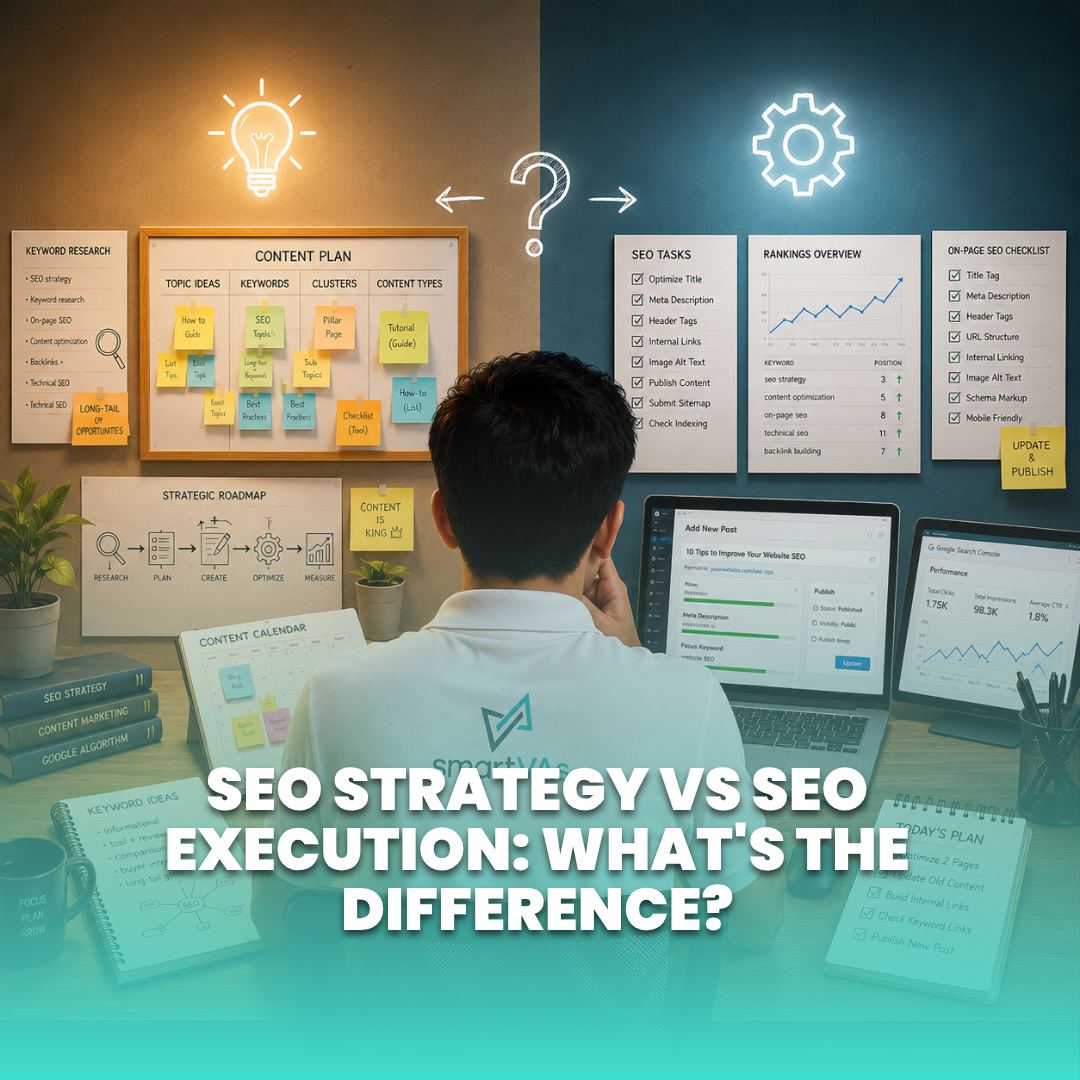
SEO Strategy vs SEO Execution: What's the Difference?
SEO strategy and SEO execution are different but connected. SEO strategy defines what a business should prioritize, why those priorities matter, and how success will be measured. SEO execution is the implementation layer, including content updates, metadata, internal links, technical fixes, schema, reporting, and ongoing optimization. A business can have execution without strategy, but that often creates busywork. It can also have strategy without execution, but that keeps growth stuck in planning. The strongest SEO programs combine clear direction with consistent implementation.

Email Marketing Best Practices That Build Long-Term Customer Trust
The most important email marketing best practices for building long-term customer trust are clear consent, honest privacy practices, consistent sending, useful personalization, simple unsubscribe options, and a balanced mix of educational, transactional, feedback, and retention-focused emails. Email can be one of the most relationship-driven marketing channels because subscribers invite a business into their inbox. That permission has to be respected over time. Trust breaks when businesses over-send, over-personalize, hide unsubscribe options, ignore feedback, or treat every message like a sales pitch. A strong email marketing strategy uses segmentation, automation, and reporting, but it still needs human judgment. Businesses should monitor unsubscribes, spam complaints, replies, retention, and deliverability, not just opens and clicks. For growing teams, working with a dedicated Specialist or Managed Specialist Team can help keep email campaigns consistent, compliant, and aligned with customer expectations.
10 Marketing Strategies Every Growing Business Should Prioritize
The best marketing strategies for business growth are the ones that help a company become visible, earn trust, convert visitors, follow up consistently, and execute without overwhelming the team. For growing businesses, the 10 priorities are AI search visibility, Google Business Profile optimization, owned content channels, email marketing, social media, online reviews, website conversion optimization, paid advertising, CRM and marketing automation, and a focused execution plan. The goal is not to do all 10 at once. It is to choose the few strategies that match the business's current growth stage, measure results, and improve consistently.

How Managed Social Media Teams Maintain Brand Consistency Across Every Channel
Managed social media teams maintain brand consistency by using documented brand guidelines, content calendars, approval workflows, quality checks, and performance reporting across every platform. This helps businesses avoid the common problems that happen when social media is handled by several employees, freelancers, or departments without one shared process. Brand consistency includes tone of voice, messaging, visuals, posting schedules, customer replies, and the overall customer experience. For growing businesses, outsourced social media management can reduce internal workload while keeping content aligned with the company’s brand strategy. Smart VAs supports this through a managed team model that can help with content strategy, social media content creation, graphic design coordination, scheduling, community management, and reporting, while the business keeps control of brand direction and approvals.

Managed Virtual Assistant vs Freelance Virtual Assistant: Which Is Right for Your Business?
A freelance virtual assistant is an independent contractor who usually works directly with the client on an hourly, project-based, or retainer basis. This model works well for one-time tasks, smaller budgets, or businesses that are comfortable handling hiring, training, quality checks, and replacement planning themselves. A managed virtual assistant service gives businesses a more structured support system. Instead of relying on one independent person, the business gets a dedicated assistant or team supported by account management, documented workflows, quality oversight, backup coverage, and scalable specialist support. For growing businesses, the managed model often creates better long-term reliability because support is not dependent on one person’s availability or skill set. The right choice depends on workload, growth stage, budget, management capacity, and how much continuity the business needs.
Why More Businesses Are Switching to Managed SEO Services
Businesses are switching to managed SEO services because SEO has grown beyond what one person, or even one generalist hire, can realistically execute. Modern SEO combines technical site health, content strategy, on-page optimization, internal linking, schema markup, and ongoing performance reporting, and it now has to account for how Google's AI Overviews and tools like ChatGPT and Perplexity surface answers. Managed SEO services replace the single in-house hire with an ongoing team of specialists (strategist, technical SEO, content writer, analyst) who execute consistently every month, typically at a lower and more flexible cost than one full-time salary plus benefits and software. This model works best as a hybrid: the business keeps ownership of its accounts, brand voice, and strategic direction, while the managed team handles execution, technical fixes, content production, and reporting. Businesses that switch tend to see steadier publishing, faster technical fixes, and clearer GA4 and Search Console reporting than they had with an internal generalist or a single freelancer.

When Should You Outsource Your Marketing Team? 7 Signs It’s Time
The main signs to outsource marketing are consistent delays, founder-led execution, unclear ROI tracking, rushed campaigns, upcoming growth projects, rising customer acquisition costs, and underused marketing tools. For many SMBs, outsourcing is not about replacing the internal team. It is about adding execution support where the business has outgrown its current capacity. A managed remote marketing team can help with content, design, social media, website updates, SEO tasks, CRM cleanup, email marketing, and reporting without requiring multiple full-time hires. The best approach for many growing businesses is a hybrid model: internal leadership keeps control of brand voice, strategy, and approvals, while outside specialists handle the work that needs consistency and technical skill. Before choosing a marketing partner, founders should ask who owns the accounts and data, how tasks are tracked, how communication works, and whether support can scale as needs change.

In-House vs. Outsourced Marketing: Which Team Delivers Better ROI?
The in house vs outsourced marketing decision comes down to ROI, agility, and management load. An internal marketing team may offer control and cultural alignment, but the full cost includes salaries, benefits, payroll taxes, recruiting time, training, software subscriptions, and management overhead. Outsourced marketing can reduce fixed overhead, but traditional agencies may come with rigid retainers and freelancer marketplaces may create quality and coordination problems. For many scaling businesses, the strongest middle ground is a managed marketing virtual assistant model. It gives the company access to specialized remote marketing support for content, SEO, design, reporting, email, social media, and website updates without forcing one full-time hire to cover every channel. At Smart VAs, I have seen this model work especially well for business owners who need reliable execution, clear communication, and scalable support without building an entire internal department before the business is ready.

How to Build a High-Performing Marketing Team Without Hiring Full-Time Employees
Building a marketing team without full-time employees is possible when a business separates strategy from execution and supports both with clear systems. Instead of hiring one expensive marketing generalist or several full-time employees, a company can use a fractional marketing lead for strategy, specialized marketing virtual assistants for channel execution, and asynchronous project management tools to keep work visible. This structure lowers fixed overhead while still giving the business access to content, social media, email, SEO, design, website, and campaign support. At Smart VAs, I see this model work especially well for growing businesses and agencies that need reliable execution but are not ready to carry a full internal department. Melissa Martin’s Creative Island case study is a strong example: with Smart VAs handling design, web development, blog writing, social content, and copywriting support, she was able to take on larger projects, step away for a 10-day vacation, and more than double revenue. The key is not replacing strategy with cheap labor. It is building remote marketing infrastructure that gives every channel the right owner and keeps execution moving without full-time overhead.


SEO vs PPC: Which Marketing Strategy Is Right for Your Business?
SEO vs PPC compares two ways businesses get visibility in search. SEO focuses on earning organic rankings through content, technical optimization, and website authority. PPC, or pay per click, uses paid ads to appear quickly in front of people searching for products or services. SEO usually works better for long-term brand visibility and compounding traffic, while PPC is useful when a business needs faster traffic, testing data, launch support, or immediate lead generation. The best strategy is not always choosing one forever. Growing businesses often start with the channel that matches their current goal, then combine SEO and PPC as the marketing program matures. The decision depends on budget, timeline, competition, website quality, and execution capacity.
OVERWHELMED BY BUSYWORK?
What if you could reclaim 20+ hours a week? Our clients did it, and you can too!
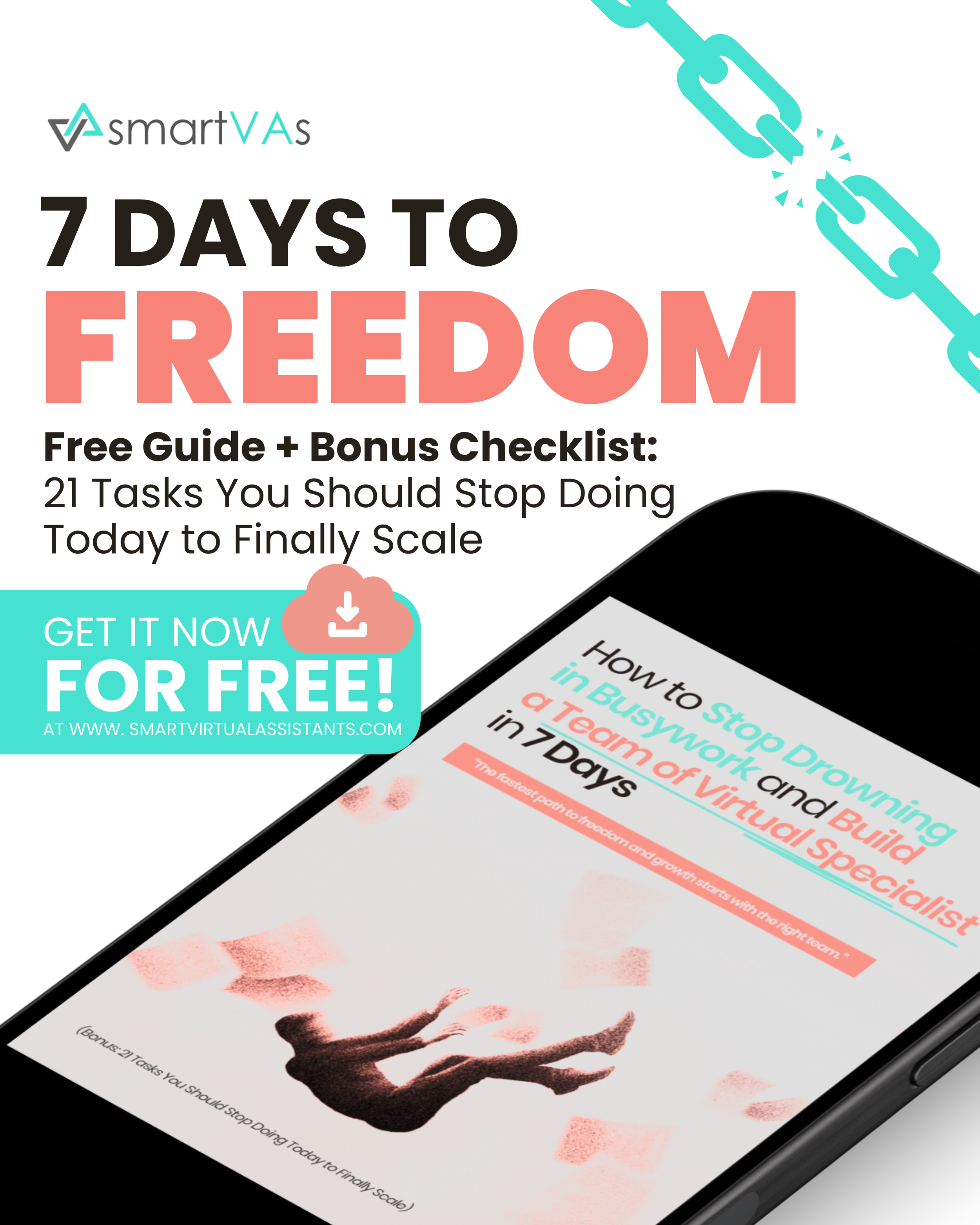
Stop drowning in busywork. Get our FREE Guide + Checklist to uncover 21 tasks you can let go of today and start building a competent Virtual Specialist Team in just 7 DAYS!
Click here to download the "7 Days to Freedom" guide now!
Time to Let Go of the Overwhelm
You started your business to do what you love—not to spend all day stressing over marketing. A digital marketing VA team allows you to focus on what truly matters: serving your customers, developing new ideas, and growing your brand. With expert support at a fraction of the cost of a full in-house team, you’ll finally have the freedom, consistency, and strategic marketing your business needs to thrive.
At Smart VAs, we can help you build your dream VA team today and take your business to the next level!