SEO Trends for 2026 You Can't Ignore
SEO Trends for 2026 show that search is becoming more AI-driven, intent-focused, and content quality-based. Businesses must adapt to AI search, user experience signals, and helpful content to stay visible online.
The digital landscape continues to evolve rapidly, and SEO Trends for 2026 reflect one of the biggest shifts we’ve seen in search behavior and ranking systems. SEO is no longer just about inserting keywords or building backlinks. It has become a more advanced system that focuses on understanding meaning, intent, and user satisfaction.
Search engines are now powered by artificial intelligence, allowing them to evaluate content in a more human-like way. Instead of simply matching words, they interpret context, relevance, and usefulness. This means businesses must focus on creating content that is clear, helpful, and genuinely valuable.
In 2026, SEO is less about “tricking algorithms” and more about aligning with them.
Is SEO still relevant in 2026?
Yes, SEO is absolutely still relevant in 2026, but it looks very different from what it used to be.
Search engines like Google are now powered heavily by AI systems that understand intent rather than just matching keywords. This means websites must focus on providing real value, answering questions clearly, and creating content that actually helps users.
Instead of trying to “rank,” businesses now need to focus on being the best answer. That is the core of modern SEO.
Even with AI-generated answers appearing directly in search results, SEO remains the foundation that determines which sources are trusted and cited. If anything, competition has increased, making strong SEO even more important.
Related Article: 5 Brand Awareness Strategies To Scale Your Business in 2021
Top SEO trends for 2026
The SEO Trends for 2026 highlight a major transformation in how content is created, optimized, and ranked. Here are the most important trends businesses need to understand:
1. AI-Driven Search Is Fully Integrated
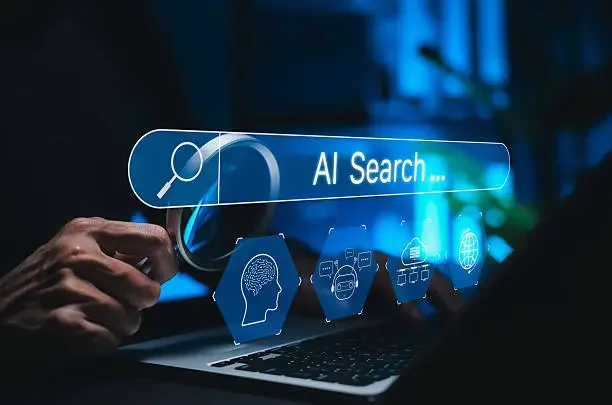
Search engines are now deeply powered by AI systems that go beyond keyword matching. They analyze context, meaning, structure, and even content quality signals like clarity and readability.
This means content must be written in a way that is easy for both users and machines to understand. AI search models favor natural writing, well-structured articles, and clear answers over keyword-heavy pages.
2. Search Intent Is the #1 Ranking Factor
Understanding user intent is now more important than targeting exact keywords.
In 2026, content that clearly answers why someone is searching will outperform content that only focuses on what they searched. This includes informational, navigational, and transactional intent.
For example, users don’t just search “SEO trends”—they want to know what is changing, why it matters, and how to apply it. Content that covers all of this performs better.
3. Helpful Content Will Dominate Rankings
One of the biggest SEO Trends for 2026 is the continued rise of helpful content systems.

Search engines now reward content that demonstrates real experience, expertise, and usefulness. Generic, repetitive, or shallow content will struggle to rank.
To succeed, businesses must focus on:
Real examples
Practical explanations
Clear and simple language
Deep topic coverage
Related Article: How To Use Voice Search SEO To Rank Better
4. AI-Assisted SEO Workflows
AI tools are now widely used in SEO workflows, but they are not replacing human strategy.
Instead, they are being used for:
Keyword research
Content outlining
Competitor analysis
On-page optimization suggestions
Performance tracking
However, human input is still essential to ensure accuracy, brand voice, and originality. The best results come from combining AI efficiency with human creativity.
5. Voice Search and Conversational Queries Are Growing

More users are interacting with search engines through voice assistants and conversational tools.
This changes how content should be written. Instead of short keyword phrases, SEO now focuses on natural questions and conversational answers.
Content that sounds like a real conversation performs better in voice and AI-assisted search results.
6. User Experience Signals Are Stronger Than Ever
Google and other search engines now heavily consider user experience when ranking websites.
This includes:
Page speed
Mobile responsiveness
Time on page
Navigation clarity
Visual stability
A website that loads slowly or confuses users will struggle to rank, even if the content is strong.
7. Topical Authority Over Individual Keywords
In 2026, it is no longer enough to rank for a single keyword.
Search engines now prefer websites that demonstrate deep authority on entire topics. This means publishing related content clusters that cover a subject comprehensively.
For example, instead of just targeting “SEO trends,” a site should also cover:
SEO strategy
AI in SEO
Content optimization
Keyword research trends
Search engine updates
This builds trust and authority in the eyes of search engines.
8. AI Overviews and Zero-Click Searches Are Increasing
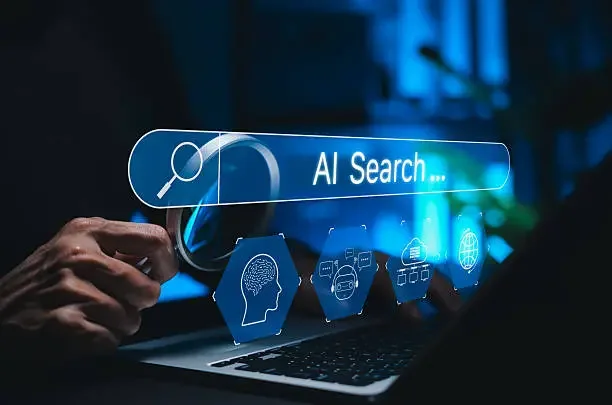
More users are getting answers directly from search engines without clicking websites.
This means content must be structured in a way that can be featured in AI summaries. Clear definitions, short answers, and well-organized sections increase the chances of being cited in AI-generated results.
9. Content Refreshing Is Becoming a Ranking Strategy
Old content is no longer “set and forget.”
Search engines now prefer updated and refreshed content. Regularly improving existing pages with new data, insights, and updates helps maintain rankings and visibility.
Importance of Staying Ahead in SEO Trends
In today’s fast-changing digital landscape, staying updated with SEO Trends for 2026 is no longer optional—it is essential for business survival and growth. Search engines are constantly evolving, and strategies that worked even a year ago may no longer deliver the same results.
Businesses that stay ahead of SEO trends are better positioned to:
Maintain consistent online visibility
Adapt quickly to algorithm updates
Reach the right audience at the right time
Build stronger authority in their industry
Outperform competitors who rely on outdated strategies
On the other hand, businesses that ignore these changes risk losing rankings, traffic, and potential customers. SEO is now closely tied to user behavior, AI systems, and content quality signals, which means adaptation is key.
Staying ahead doesn’t just improve rankings—it also improves long-term digital growth, brand trust, and overall online performance.
Related Article: How to Get Free Traffic From Google in 2021
Want to Dominate SEO in 2026?
Smart Virtual Assistant
👍🤵
Smart Virtual Assistant 👍🤵
As we step into 2026, the world of SEO is poised for further transformation. The convergence of AI, user experience, and content quality will shape the strategies that digital marketers employ to enhance online visibility and drive organic traffic. Staying ahead in SEO trends is not merely a best practice; it's a strategic imperative for businesses aiming to thrive in the digital age.
However, keeping up with AI-driven SEO, content demands, and technical optimization can be overwhelming without the right support.
At Smart Virtual Assistants, we have a team of specialists and experts ready to help your business grow. We offer support in SEO, social media marketing, admin tasks, web development, web design, graphic design, content marketing, and more.
Instead of struggling to keep up with constant algorithm changes, you can rely on our team to handle execution, optimization, and long-term strategy.
Let’s help your business rank higher, grow faster, and stay competitive in the future of search.
Frequently Asked Questions
-
In 2026, the content strategy should revolve around creating high-quality, comprehensive, and engaging content that aligns with user intent. AI-driven personalization, video content optimization, and the incorporation of advanced schema markup are key elements to focus on. Additionally, staying informed about industry-specific trends and adapting content strategies accordingly will be crucial for success.
-
While the specific landscape of SEO may evolve, the core principles of optimizing for search engines and providing valuable content to users are likely to endure. As long as people use search engines to discover information, businesses will have a vested interest in optimizing their online presence for visibility. SEO may undergo transformations, adapting to new technologies and user behaviors, but it is unlikely to become obsolete.
-
Far from being dead, SEO is evolving in tandem with advancements in AI and machine learning. AI is enhancing the way search engines understand user intent, leading to more personalized and relevant search results. SEO professionals need to embrace AI tools and technologies to stay competitive and leverage the benefits they bring to content optimization, keyword analysis, and predictive analytics.
-
User experience is more important than ever for SEO. Search engines prioritize websites that load quickly, are mobile-friendly, and provide a seamless navigation experience. Optimizing Core Web Vitals and ensuring a positive UX can significantly improve rankings and reduce bounce rates.
-
Businesses can use AI to analyze search trends, identify relevant keywords, optimize content, and predict user intent. AI-powered tools help streamline SEO tasks, improve personalization, and enhance content quality, making campaigns more efficient and aligned with search engine algorithms.