How to Build a Successful Influencer Marketing Strategy from Scratch

A successful influencer marketing strategy starts with clear goals, the right creators, personalized outreach, and performance tracking to build trust, drive engagement, and convert influence into sales.
In a world where consumers are bombarded by traditional ads every time they open their phones, "social proof" has become the most valuable currency for any brand.
Did you know that 61% of consumers trust influencer recommendations more than brand-produced content? It’s true. People buy from people they trust, not faceless corporations.
However, for many small business owners, the idea of building an influencer marketing strategy from scratch feels overwhelming. It often sounds like a mountain of manual work: scrolling through thousands of profiles, sending DMs that get ignored, and trying to guess if an influencer’s followers are even real.
But it doesn't have to be that hard.
In fact, with the right help and the right tools, you can build a campaign that drives real sales without eating up your entire work week. In this guide, we’ll break down exactly how to build a high-converting strategy and how you can leverage expert help to scale it.

DELEGATE SMART. SCALE FAST.
The step-by-step guide to reclaim your time and grow with confidence.
Steps to Building Your Influencer Marketing Strategy
1. Define Your Goals and Target Audience
Before you start browsing Instagram or TikTok, you need a map. Just like any other digital marketing effort, you cannot measure success if you don't define it first. You need to decide early on if you are looking for broad brand awareness or driving direct sales, as these goals require very different types of influencers.
Start by creating a clear customer persona. Don't just guess; look at your current best customers. Who do they follow? What kind of content do they consume? If you are selling eco-friendly home goods, your target influencer might not be a fashion model, but a "home organization" micro-influencer. Once you know who you are targeting, establish your KPIs. Whether you are tracking "Reach" or "Conversions," having a clear metric ensures you aren't just throwing money at the wall.
Related Article: Brand Visibility vs Brand Awareness: What's the Difference?
2. Delegate the Heavy Lifting to a Virtual Assistant
The number one reason influencer campaigns fail isn't bad content; it's inconsistency.
Finding the right partners, vetting them, and following up on emails takes hours of dedicated time. If you try to squeeze this in between your other CEO duties, it will inevitably fall through the cracks. This is where Smart VAs can transform your results.
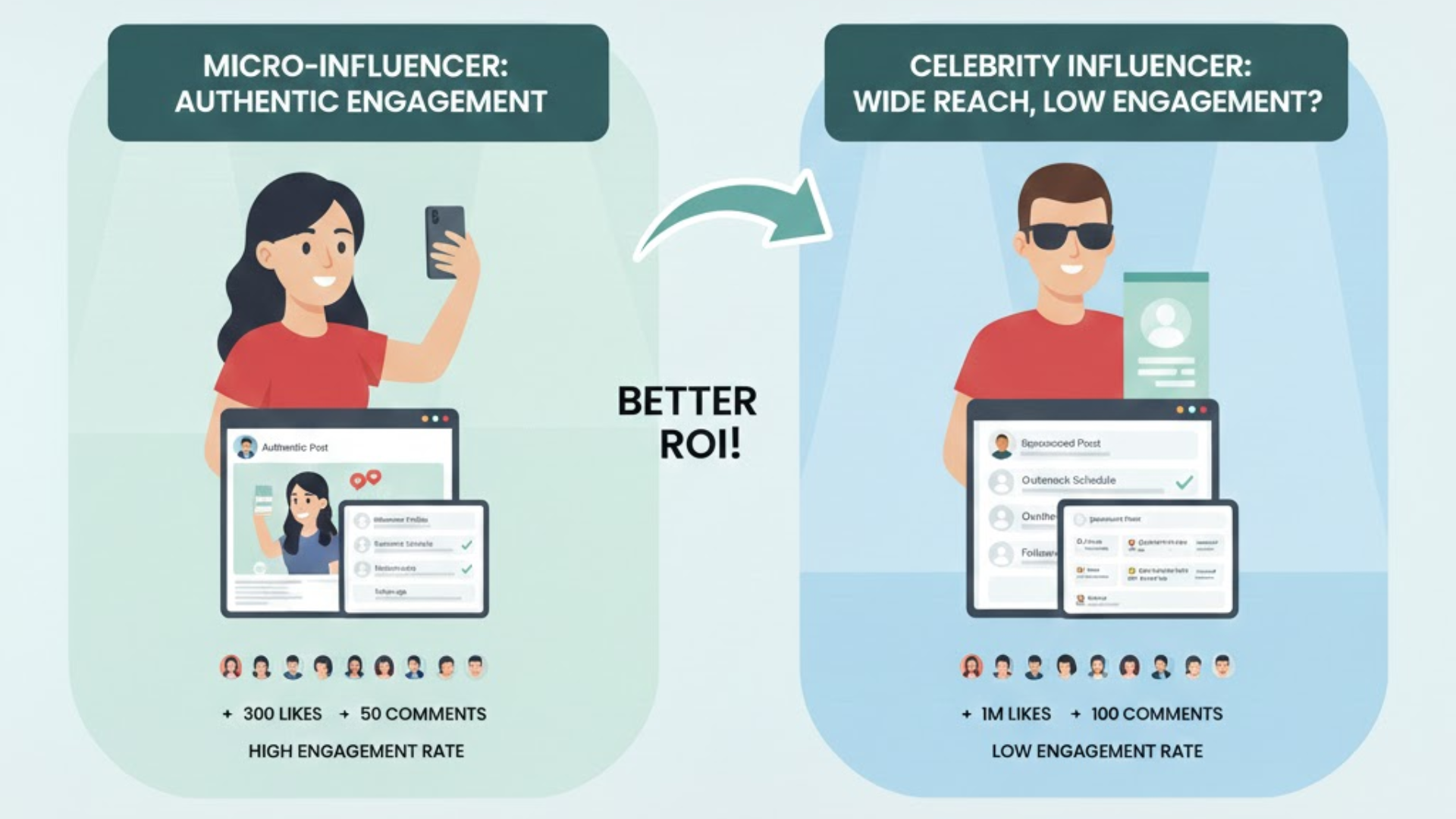
Instead of doing it all yourself, you can delegate the "grunt work" to a pro. Our Social Media Management Specialists can spend the necessary hours digging through hashtags to find creators who truly align with your brand voice. A dedicated VA can handle the entire "handshake" process, from sending personalized pitches to managing contracts and deadline reminders. By letting a VA handle the administrative side, you are free to focus on the creative strategy and the big-picture growth of your business.
3. Use Professional Tools for Deep Insights: Brandwatch
While your VA manages the workflow and communication, you need to ensure your decisions are backed by hard data. You don't want to pay for exposure to "ghost" followers or bots.
This is where a professional-grade tool like Brandwatch Influence becomes essential.
Manual searching is risky, but Brandwatch allows you to see the "behind the scenes" data of an account. You can verify if an audience is real and filter through millions of creators to find those whose followers match your specific demographics, for example, "Females aged 25-34 in the US interested in sustainability." It also helps you keep track of all your live campaigns in one dashboard, so you never lose sight of who is posting what and when.
4. Craft a Personalized Outreach Strategy
Influencers— even micro-influencers —receive dozens of generic messages every week. A generic "Dear Influencer, we love your feed" message simply won't cut it anymore.
To get a reply, your outreach needs to be highly specific. Mention a particular post of theirs that resonated with you to prove you actually consumed their content. You also need to clearly define the value proposition. Whether it is a free product, a commission, or a flat fee, be upfront about what is in it for them. Keep the tone professional but conversational; remember, you are building a relationship, not just buying ad space.
5. Track, Measure, and Optimize
A strategy is only as good as its results. Once your campaign is live, you need to monitor the data closely to see what is working.
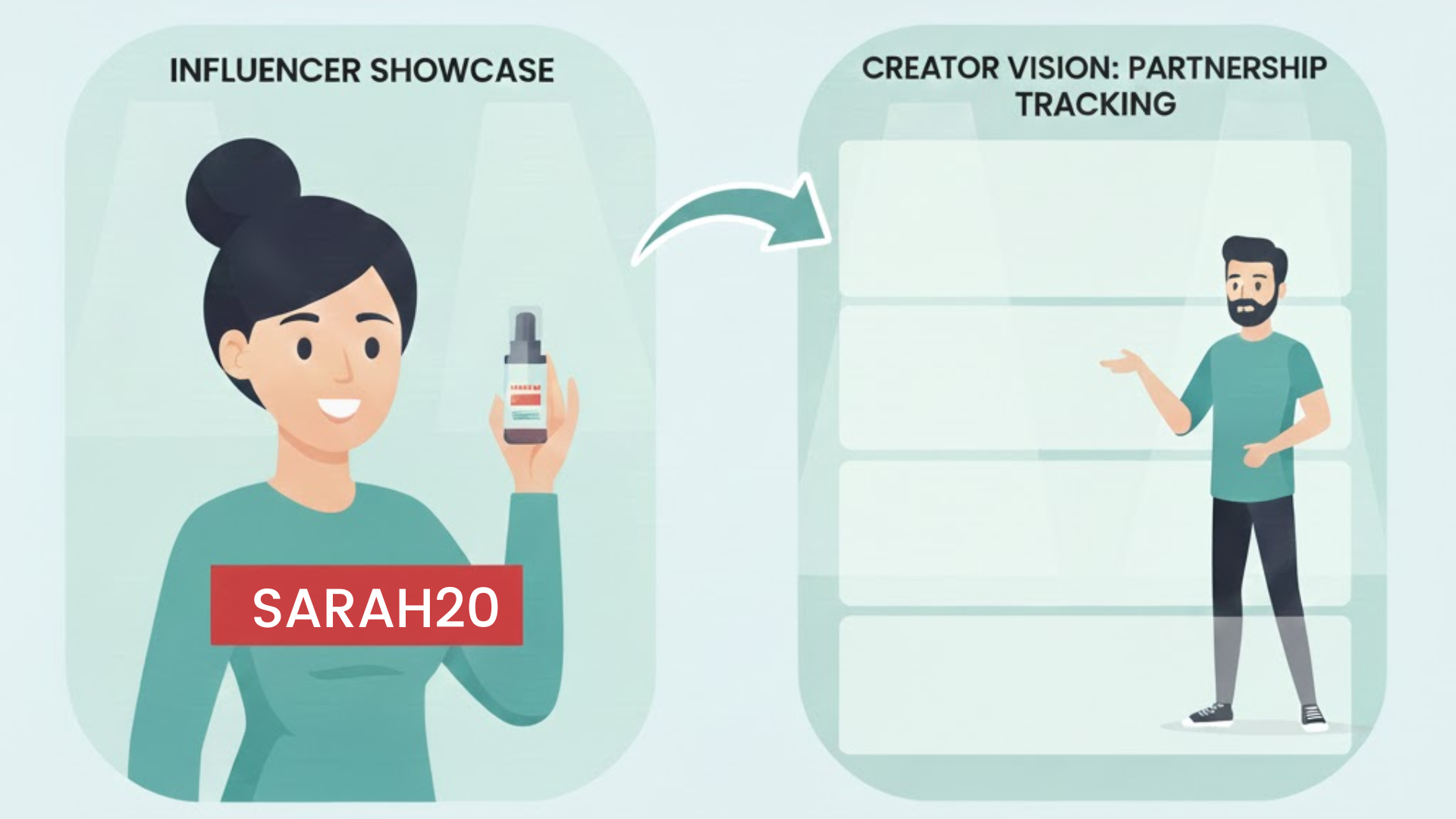
The best way to track exact ROI is by providing influencers with unique UTM links or discount codes (e.g., "SARAH20"). This allows you to see exactly which sales came from which post. Analyze which creators drove the most engagement, and consider doubling down on those relationships. If one influencer drove 50% of your sales, they shouldn't just be a one-time partner—they should be your next long-term Brand Ambassador.
Crucial Ideas to Practice for Influencer Success:
1. Delegation is Key
Influencer marketing is time-intensive. Utilizing a Smart VA ensures that your outreach never stalls. Consistency is the secret sauce to staying top-of-mind with creators.
2. Authenticity Over Numbers
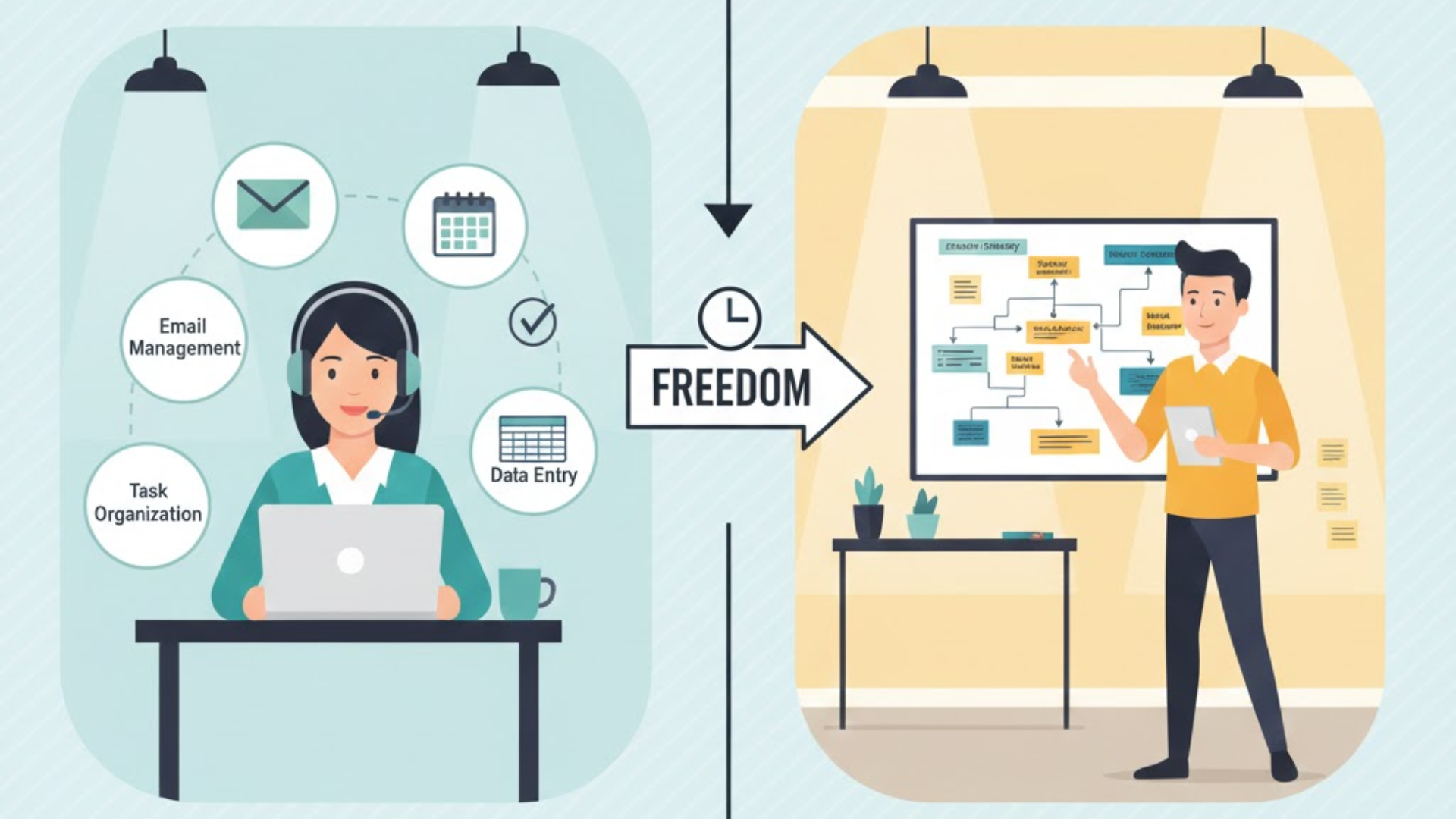
A micro-influencer with 5,000 loyal fans often provides a much better ROI than a celebrity with a million disinterested followers. Don't get distracted by vanity metrics.
3. Verify Your Data
Always use a tool like Brandwatch or Cision to check engagement metrics and audience authenticity before signing a contract. Trust, but verify.
Build a Smarter Influencer Marketing Strategy with Smart VAs
Smart Virtual Assistant
👍🤵
Smart Virtual Assistant 👍🤵
Influencer marketing doesn’t fail because it doesn’t work—it fails when business owners try to do everything themselves. From sourcing the right creators to managing outreach, tracking performance, and maintaining consistency, the process can quickly become overwhelming without the right support.
That’s where Smart VAs comes in. Our experienced virtual assistants specialize in social media management, influencer outreach, campaign coordination, and performance tracking—so your influencer marketing strategy runs smoothly, consistently, and profitably. With the right systems, tools, and dedicated VA support, you can turn influencer partnerships into a scalable growth channel without sacrificing your time or peace of mind.
If you’re ready to stop juggling marketing tasks and start seeing real results, Smart VAs is here to help you build and manage an influencer marketing strategy that actually converts. Book a call now!
What if you could reclaim 40 hours this month?
Find out inside this free guide.
Frequently Asked Questions
-
A VA acts as your campaign manager. They can build lists of potential creators, manage the back-and-forth communication, ensure your content workflow is posted on time, and compile performance reports for you to review.
-
At its core, influencer marketing is word-of-mouth advertising at scale. Instead of your brand telling people how great your product is, you partner with a creator who has already built trust with your target audience. You pay them (or provide free product) to feature your brand in their content. Because their followers value their opinion, that endorsement transfers credibility to your business, often leading to higher engagement and sales than a traditional ad.
-
Yes, and often better than traditional display ads. Consumers have become very good at ignoring banner ads and pop-ups, but they actively tune in to watch their favorite creators. Because the content feels authentic and comes from a trusted source, the conversion rates are typically higher. It works particularly well for small businesses because it allows you to reach a very specific niche without spending a fortune on broad advertising.
-
To know if it's working, you need to track more than just "likes." The most effective method is to give each influencer a unique discount code (e.g., "ALEX10") or a specific tracking link (UTM). This allows you to see exactly how many website visits and sales came directly from their post. You should also monitor "cost per acquisition" (CPA)—calculating exactly how much you spent on the influencer versus how much revenue they generated.
-
Influencer marketing is actually the best strategy for a brand with no following! When you partner with an influencer, you are essentially "borrowing" their audience. You don't need your own followers to make sales because the influencer is directing their community to your website or landing page. In fact, many successful brands launch exclusively through influencers to build their initial customer base before they ever grow their own social media profiles.
Stop feeling overwhelmed by your marketing to-do list!
Managing influencer relationships takes time, but you don't have to do it alone. Let Smart VAs help you build and manage an influencer strategy that actually works, so you can focus on scaling your business.