What Are Ethical Business Practices and Why Are They Important?
Ethical Business Practices involve operating with integrity, fairness, and transparency. Companies prioritize social responsibility, honesty, and legal compliance to build long-term trust and value.
In today’s digital and highly connected business environment, companies are expected to do more than simply generate profit. Clients, employees, and partners increasingly value organizations that operate with transparency, responsibility, and respect for everyone involved in the business process.
Ethical business practices provide the foundation for these expectations. By following clear moral standards such as honesty, fairness, and integrity, businesses can strengthen trust, maintain strong professional relationships, and support sustainable long-term success across industries.

ARE YOU STILL TRYING TO DO IT ALL?
Discover the SMART way to delegate without losing control—and finally free up your time.
What are Ethical Business Practices and Why are they Important?
In the modern digital economy, the lines between physical offices and remote workspaces have blurred, but the standards and professional conduct remain more critical than ever. As businesses increasingly turn to global talent, the virtual assistant (VA) industry has become a cornerstone of operational efficiency. However, with this shift comes an important question: how do we maintain high standards of conduct across digital borders?
Ethical business practices are not merely a set of rules for large corporations; they are the lifeblood of sustainable growth for any service-based industry. For agencies and clients alike, understanding and implementing these practices ensures that partnerships are productive, legal, and mutually respectful.
What are Ethical Business Practices?
At its core, ethical business practices refer to the moral principles and standards that guide the behavior of individuals and organizations in the commercial world. It is the commitment to doing “what is right” rather than just what is profitable or legally required. In the context of the VA Industry, this encompasses how data is handled to how remote workers are compensated and treated.
For a virtual assistant, ethics might involve absolute transparency regarding billable hours or the protection of a client’s intellectual property. For a business owner, it involves providing fair wages and respecting the boundaries of a remote team. When a company operates ethically, it creates a framework where every interaction is rooted in a shared sense of duty and professional respect.
Related Article: What Is a Remote Team? Types and Advantages
Core Principles of Ethical Business Practices
While ethical codes may vary depending on the business or company, the three pillars stand as the universal foundation for any successful business relationship: Honesty, Integrity, and Fairness.
Honesty
Honesty is the baseline of communication. In the VA World, this means being truthful about one’s skill sets and limitations. An ethical VA will never claim to be an expert in a tool they have never used, just as an ethical client will be honest about the scope and difficulty of a project. This principle prevents the “smoke and mirrors” approach that often leads to project failure and wasted resources.
Integrity
Integrity is the consistency of actions, values, and principles. It is doing the right thing even when no one is watching. For a virtual team, integrity is demonstrated through accountability. If a mistake is made, an ethical professional admits it, corrects it, and learns from it rather than hiding it behind digital jargon. It is about being a person of your word, ensuring that “yes” means a task will be completed to the agreed standard.
Fairness
Fairness involves treating all parties with equity and avoiding favoritism or exploitation. In a global marketplace, fairness is often tested through compensation and workload. Ethical businesses ensure that pay rates are competitive and reflective of the value provided, rather than taking advantage of a worker’s geographic location. It also means providing reasonable deadlines and avoiding the “always-on” trap that leads to burnout.

Examples of Ethical Business Practices in Action
To understand how these principles manifest in the real world, consider these common scenarios in the VA industry:
Data Privacy and Confidentiality
An ethical VA Agency implements strict protocols, such as using encrypted password managers and secure servers, to protect the client’s data. They treat sensitive information with the same level of care they would their own, adhering to NDAs without exception.
Transparent Billing
Using time-tracking software that provides clear, itemized reports ensures that clients are only paying for the work actually performed. Honesty in reporting hours is a sign of a high-quality partnership.
Conflict of Interest Disclosure
If a virtual assistant is asked to work for a direct competitor of an existing client, the ethical practice is to disclose it immediately. This transparency allows the client to make an informed decision about potential risks to their proprietary strategies.
Sustainable Workloads
A client who practices ethics will not send urgent requests at 11:00 PM, expecting a response by 8:00 AM the next day. Respecting time zones and personal boundaries is an ethical practice that sustains long-term productivity.
Why Ethical Business Practices Matter for Reputation and Trust
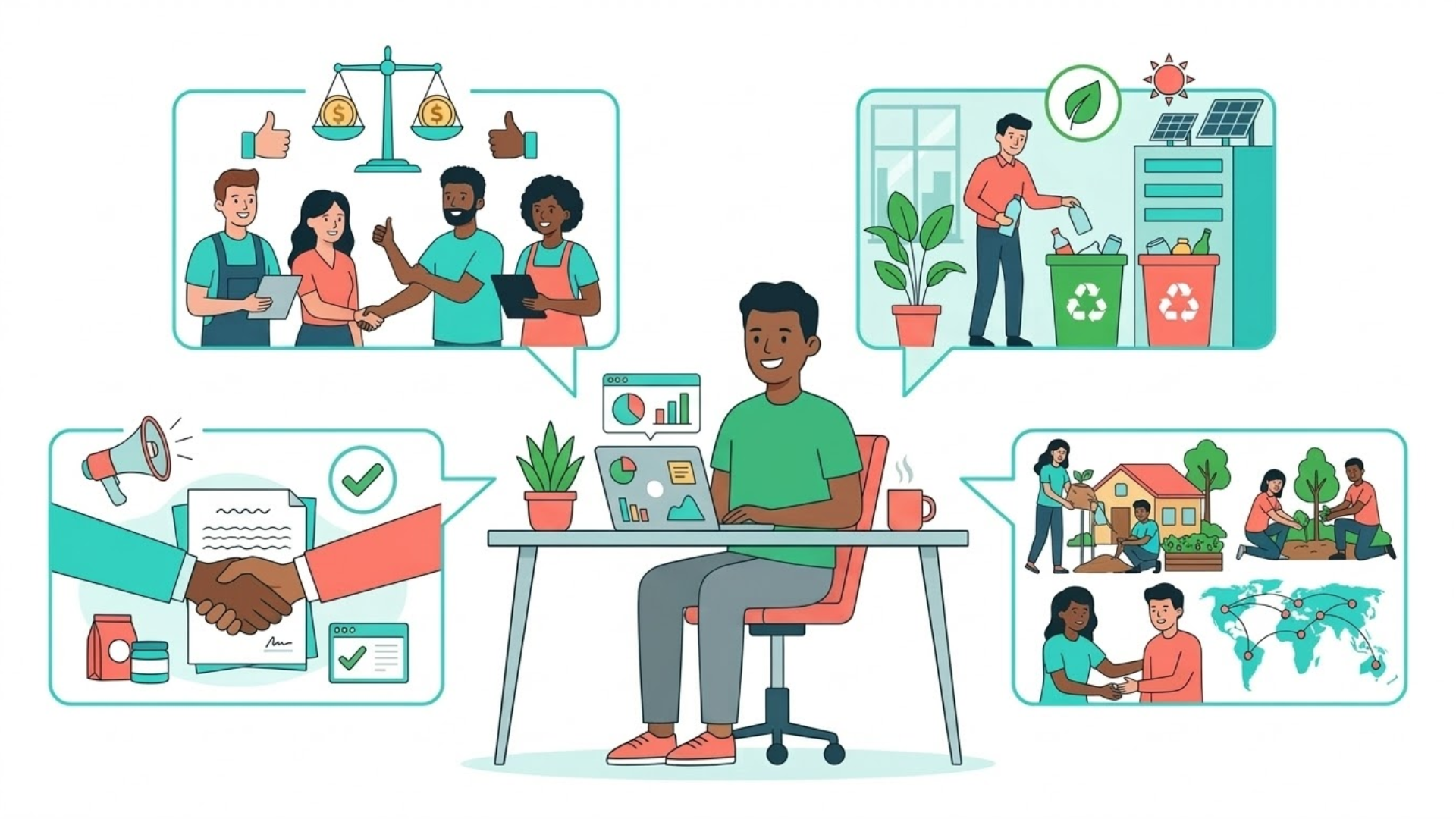
In a remote environment, you cannot work over a colleague’s desk or look a partner in the eye across the boardroom table. Therefore, trust is the only currency that matters. When a business consistently operates with high ethical standards, it builds a “reputation capital” that is far more valuable than any marketing campaign.
Reputation is fragile. In the digital age, one breach of confidentiality or a single instance of unfair treatment can go viral, permanently damaging a brand. Conversely, a company known for its integrity attracts higher-quality talent and more loyal clients. People want to work with those they can rely on. In the VA Industry, where assistants often have access to a business’s inner workings, the trust established through ethical conduct is the glue that holds the partnership together.
Benefits of Ethical Business Practices for Organizational Success
Operating ethically isn’t just the “nice” thing to do—it is a savvy business strategy. Several tangible benefits contribute to the long-term success of an organization:
1. Improved Employee Retention
Remote workers are far more likely to stay loyal to an agency or client that treats them with respect and fairness. Lower turnover rates mean less time and money spent on recruiting and training new staff.
2. Enhanced Productivity
When virtual assistants feel valued and treated fairly, their motivation increases. An ethical environment fosters a sense of ownership, leading to higher-quality output and more proactive problem-solving.
3. Risk Mitigation
Ethical practices often align with legal requirements. By maintaining high standards for data protection and employment practices, businesses significantly reduce their risks of lawsuits, fines, and regulatory challenges.
4. Competitive Advantage
In a crowded marketplace, being an “ethical choice” is a major differentiator. Clients are increasingly looking for partners who align with their own corporate social responsibility goals.

How to Implement Ethical Practices in Your Business
Implementing an ethical framework requires more than just a mission statement on a website; it requires intentional, daily action.
Develop a Written Code of Ethics
Clearly define what honesty, integrity, and fairness look like in your specific business. This should be part of the onboarding process for every new team member or client.
Lead by Example
Ethical Standards must start at the top. If leadership cuts corners or is untruthful, the rest of the team will follow suit. Show your team that you value integrity over short-term gains.
Establish Clear Communication Channels
Most ethical breaches start as misunderstandings. Provide platforms where team members can voice out their concerns or report unethical behaviors without fear of retaliation.
Regular Training
Technology and laws change. Regular sessions on data security, cultural sensitivity, and professional boundaries keep ethical standards top-of-mind.
Partner with the Right People
Choose to work with agencies that have a proven track record of ethical conduct. For example, Smart VAs prioritizes professional integrity and transparency, ensuring that both clients and VAs are set up for a successful, respectful partnership.
Lead Your Business with Strong Ethical Standards
Smart Virtual Assistant
👍🤵
Smart Virtual Assistant 👍🤵
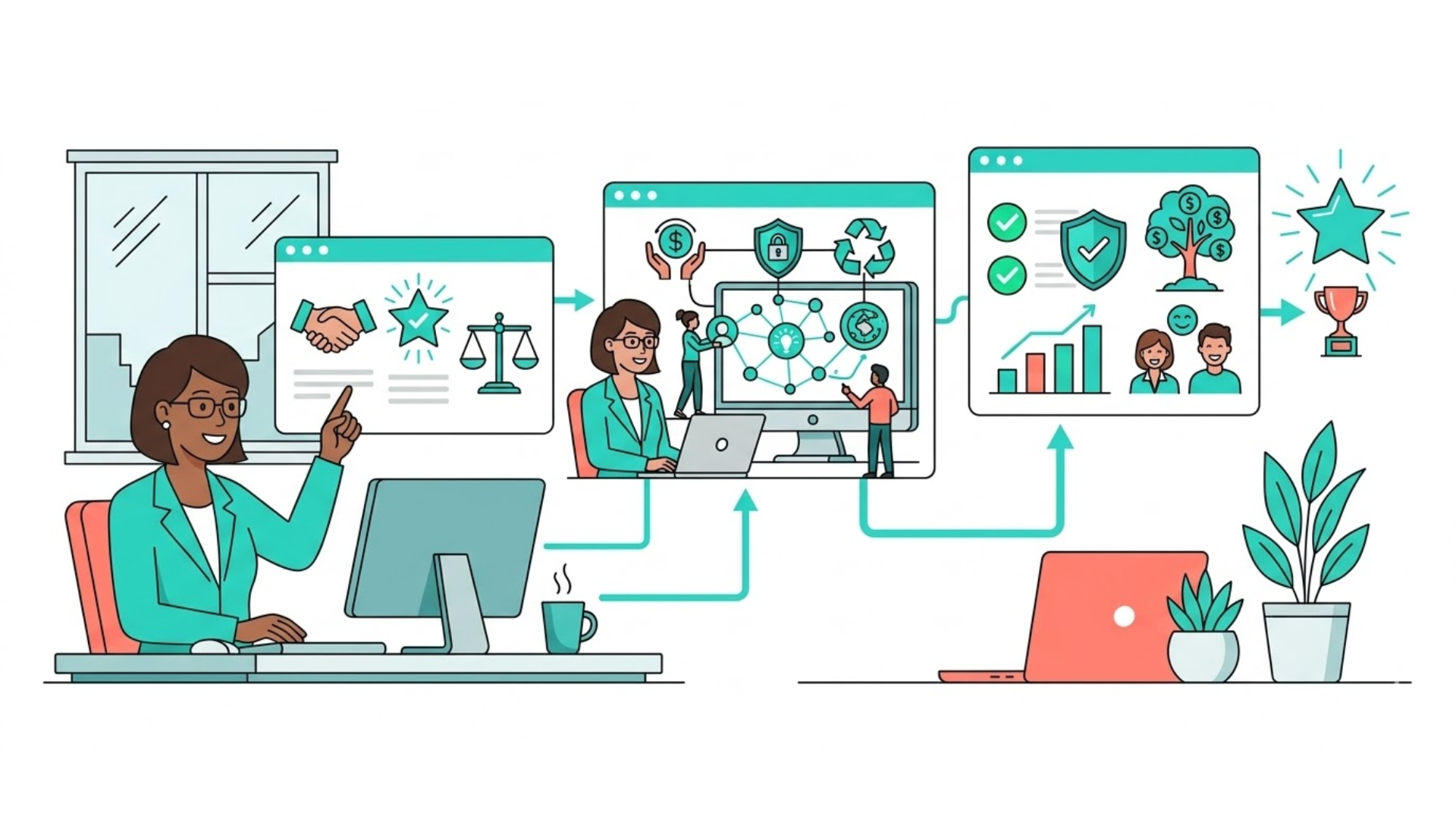
The future of work is undeniably virtual, but it must also be ethical. As we continue to navigate the complexities of global collaboration, the businesses that thrive will be those that view ethics as a foundation pillar rather than an afterthought. By choosing honesty over convenience, integrity over shortcuts, and fairness over exploitation, you create an ecosystem where everyone wins.
This is the core philosophy at SmartVirtualAssistants.com. Our approach to ethical sourcing and hiring ensures that every placement is more than just a transaction; it is a commitment to dignity and professional excellence. We believe that by providing fair compensation, career development opportunities, and a supportive environment for our VAs, we give our clients more than just a service, we give them a partner they can trust.
If you're looking to build a reliable remote team while maintaining high ethical standards, working with a trusted agency can make all the difference. Smart Virtual Assistants help business owners connect with vetted VAs while ensuring transparency, accountability, and respectful collaboration.
Learn how a dedicated VA can support your business while maintaining ethical and professional standards. Book a call now!
READY TO FINALLY DELEGATE LIKE A CEO?
Learn the 7-day plan to build your dream VA team and step out of the weeds.
Frequently Asked Questions
-
In the VA Sector, ethical practices are the foundation of long-term partnerships. When a business operates with transparency—such as being honest about a VA’s specific skill sets or providing accurate, verified, time-tracking reports—it builds a deep sense of security.
Customers remain loyal when they know their sensitive data is being handled ethically and that they aren’t being overcharged for “ghost hours.” Agencies like Smart VAs foster this loyalty by ensuring that every interaction is rooted in professional integrity, making clients feel like they have a reliable partner rather than just a faceless service provider.
-
Absolutely! Ethical conduct is often more about policy and culture than financial investment. Small businesses can implement ethical practices by:
Clear Communication
Establishing honest expectations regarding deadlines and deliverables costs nothing but time.
Data Security
Using free or low-cost encrypted password managers to protect client information.
Fair Treatment
Treating a VA with respect and acknowledging their work-life balance is a zero-cost way to practice ethical management.
For small businesses, being ethical is a “preventive” measure that saves money in the long run by avoiding the costs of data breaches or high turnover.
-
In a virtual setting, red flags often appear in communication and financial transparency. Common signs include:
Lack of Transparency
Vague billing statements or a refusal to use time-tracking software that provides screenshots or activity logs.
Overpromising
Agencies that claim their VAs can do “everything” perfectly without a vetting or training process.
Poor Treatment of Staff
High turnover rates or reports of VAs not being paid on time.
Privacy Negligence
A casual attitude toward sharing passwords or sensitive client documents over unencrypted channels.
-
In the remote world, VAs often feel isolated. Ethical practices, such as providing fair wages, offering clear feedback, and respecting cultural holidays, make a VA feel like a valued member of a team rather than a disposable resource.
Companies like Smart VAs ensure that their VAs are treated fairly and ethically, leading to higher morale. This, in turn, boosts retention. A VA who feels respected is far more likely to stay with a client for years, providing the consistency and institutional knowledge that helps a business grow.
-
Yes, although they vary by region. While “ethics” often go beyond the law, several regulations enforce specific ethical standards:
Data Privacy
Laws like the GDPR (General Data Protection Regulation) in Europe and the CCPA in California mandate the ethical handling of personal data.
Labor Laws
Even in remote work, international agencies must often follow the local labor standards regarding pay and working conditions.
Anti-Bribery and Corruption
Many countries have strict laws (like the UK Bribery Act) that prohibit unethical financial inducements.
By partnering with Smart VAs, businesses ensure that they are not only following the law but are also aligned with the highest ethical standards of the global VA industry.

Ready to Work Smarter, Not Harder?
Smart VAs provides a team of highly skilled specialists from around the world, ensuring seamless support no matter the time zone. We take pride in delivering efficient, fast, and high-quality service so you can focus on growing your business. With one subscription plan, you gain access to a complete team of digital marketing experts that’s customized to your unique needs, eliminating the need to train and look for one yourself!