10 Tasks a Virtual Assistant Can Handle for Videographers
A virtual assistant for videographers can manage admin work, client communication, social media, scheduling, file organization, content prep, research, and project coordination. These videographer virtual assistant tasks help videographers save time and stay focused on shooting and editing.
Some videographers reach a point where they realize the work around the actual project keeps piling up. It’s not the filming or editing that slows them down. It’s the messages, the scheduling, the files, the updates, and all the small things that take time to finish. This is where a videographer virtual assistant becomes helpful because they take care of the parts of the job that interrupt the workflow. A virtual assistant for videographers helps keep things organized so projects move smoothly, and nothing gets left behind.
A lot of videographers now prefer working with a team of virtual assistants because it makes their day-to-day routine easier to manage. When communication is handled properly, schedules are sorted out, and project materials are prepared on time, everything feels lighter. The creative work stays the priority without the extra stress. As more videographers look for ways to stay productive without burning out, a videographer virtual assistant has naturally become part of how they run their business.
This blog breaks down ten specific videographer virtual assistant tasks that make a real difference in how videographers work.
Related Article: Why Every Videographer Needs a Virtual Assistant in 2026

STOP MANAGING TASKS. START LEADING.
SMART Delegation helps you reclaim your role as CEO while building a stronger team.
1. Managing Client Communication
Responding to Inquiries
Client communication takes a surprising amount of time. A virtual assistant can respond to emails, social media messages, and booking questions in a timely and organized manner. Many potential clients reach out with similar questions about pricing, availability, or project requirements. A VA can handle these questions, so the videographer does not need to pause editing or filming. This also helps prevent lost opportunities due to delays in replying. This is one of the most common videographer virtual assistant tasks because it directly affects customer experience.
Keeping Clients Updated
Clients always appreciate updates on their projects. A VA can send reminders, clarify details, provide timelines, and confirm meeting schedules. This support reduces back-and-forth messages so videographers can focus on production. When clients feel informed, they trust the process more. Having a VA dedicated to updates creates consistency in communication. This can improve the overall workflow and reduce misunderstandings.
2. Scheduling Shoots and Managing Calendars
Coordinating Availability
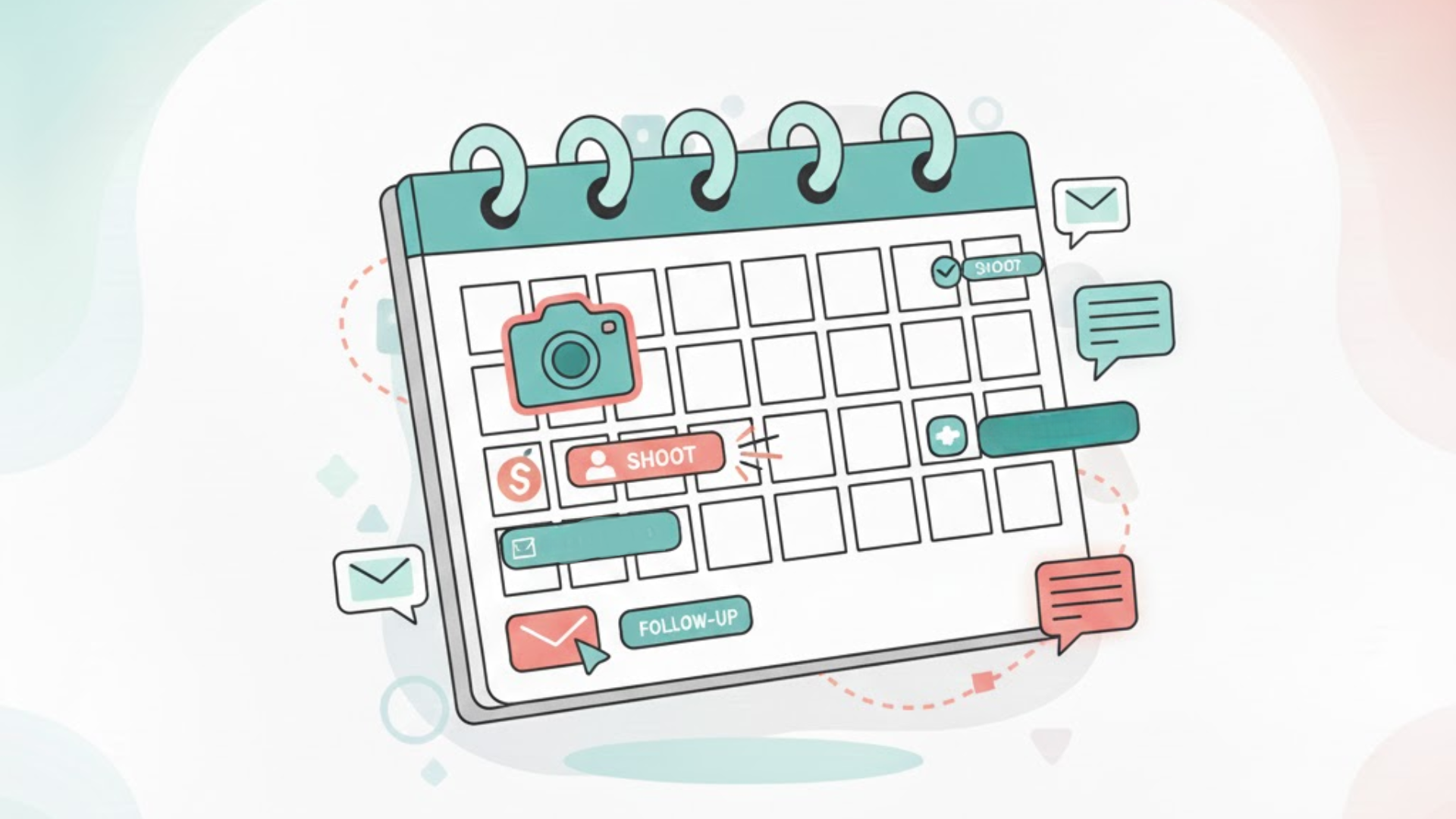
Videographers often juggle multiple bookings at once. A virtual assistant can organize the schedule, confirm venue details, and ensure there are no overlaps. Many VAs use scheduling tools that send automatic reminders to both the videographer and the client. This reduces the risk of missed appointments. With clear organization, the videographer can plan their week more efficiently. This task is frequently handled by a videographer VA who understands production timing.
Managing Rescheduling and Follow-ups
When clients need to adjust dates, a VA can coordinate the changes smoothly. They can communicate policies, handle confirmation messages, and check for available slots. Follow-ups for unpaid invoices or pending forms can also be maintained by the assistant. This keeps the videographer from getting buried in administrative work. A team of virtual assistants can even manage multiple calendars if the videographer handles different types of shoots.
Related Article: 11 Ways to Impress Clients Without Hiring a Big Team
3. Organizing Files and Preparing Project Materials
Sorting Raw Footage and Assets
A virtual assistant can help organize raw video files, photos, scripts, and project materials in cloud folders. This step saves time because videographers often spend hours sorting files before editing. A VA ensures everything is clearly labeled and easy to access. File naming conventions can also be followed consistently. This helps prevent confusion and speeds up the editing process.
Preparing Pre-Editing Materials
Some videographer VAs specialize in preparing transcripts, trimming audio references, or gathering needed materials. They can also organize client notes, shot lists, and previous versions for comparison. When everything is prepared before the videographer starts editing, the process becomes faster and smoother. This reduces stress during tight deadlines. It is one of the most underrated videographer virtual assistant tasks because it improves the overall workflow.
4. Handling Administrative Tasks
Invoicing and Payment Tracking
Administrative work can pile up quickly. A virtual assistant can send invoices, track payments, log expenses, and maintain financial records. Video projects often involve multiple payments and stages, and a VA can keep everything documented. Clear records help the videographer stay organized and avoid billing mistakes. This level of support keeps the business running smoothly.
Related Article: Must-Have Administrative Assistant Hard Skills and Soft Skills
Document and Form Management
Contracts, proposals, and consent forms can be prepared and updated by the assistant. They can ensure that all documents are signed and stored properly. If new clients need forms, the VA can manage distribution and collection. This frees up significant time for videographers who want to stay focused on creative work. Many of these tasks are handled efficiently by a virtual assistant for videographers who understands common workflows.

5. Editing Preparation and Basic Video Edits
Preparing Timelines and Notes
There are video editing virtual specialists with experience in video editing support. They can prepare timelines, review footage for quality, and mark important clips. This helps the videographer start editing with a clear structure. Detailed notes help reduce time spent searching for key moments. It also helps maintain consistency across projects.
Basic Cuts and Simple Edits
A videographer VA with editing experience can handle simple video trims, add basic transitions, or prepare short preview clips. This frees up time for the videographer to focus on more complex edits. The assistant can also export files in multiple resolutions or formats. This is especially helpful during busy seasons when deadlines stack up. For many videographers, this task alone makes hiring a VA worthwhile.
6. Social Media Content Management
Creating Captions and Scheduling Posts
Videographers often collect large amounts of content, but do not get enough time to post consistently. A virtual assistant can write captions, prepare hashtags, and schedule posts across platforms. They can turn finished projects into social content that promotes the videographer’s work. Consistency helps increase reach and boost engagement. This task is often included in a videographer's virtual assistant tasks because it directly supports marketing.
Engaging With Followers
A social media VA can respond to comments, messages, and inquiries on social media. This level of interaction helps strengthen the brand. Many clients find videographers through social media, so maintaining visibility is important. A social media manager can also track insights to understand what type of content performs well. The videographer can then adjust content strategies accordingly. A team of virtual assistants can manage different platforms at the same time.

7. Market Research and Competitive Analysis
Researching Trends
Videography trends evolve quickly. A virtual assistant can track what styles are gaining popularity, what tools are being used, and what clients are requesting. This helps the videographer stay updated without spending hours researching. A VA can gather insights from online sources and present them in a simple report. This helps guide creative decisions and marketing strategies. It also helps videographers remain competitive.
Competitor Monitoring
A VA can study what competitors offer, how they price their services, and how they promote themselves. They can compare strengths and find areas where the videographer can stand out. This information helps improve services and pricing strategies. It also helps identify gaps in the market. Staying informed is easier with administrative support.
8. Lead Management and CRM Organization
Collecting and Sorting Leads
As inquiries come in, a VA can log them into a CRM or tracking sheet. They can categorize leads based on project type, timeline, or potential budget. This ensures no opportunity gets overlooked. Organized lead tracking helps the videographer plan outreach more effectively. It also creates a structured database for future marketing campaigns.
Follow-Up Communications
VAs can send follow-up messages to old leads, cold leads, or warm prospects. They can check availability, ask for updates, and encourage clients to book. This type of consistency often results in more bookings. Many videographers do not have time to follow up manually. With a support system in place, they can increase conversions without extra effort.

9. Preparing Client Deliverables
Organizing Final Files
A virtual assistant can prepare delivery folders, label files clearly, and ensure everything is complete before sending it to the client. Many clients request multiple versions of the final video. A VA can help manage these files so they are easy to access. This reduces the risk of sending the wrong file or forgetting an important format. Organization is key during the final delivery stage.
Sending Deliverables and Confirmations
The videographer virtual assistant can send final files, request feedback, and confirm that the client received everything. They can also prepare survey forms or testimonial requests. This step improves client relationships and encourages repeat bookings. Videographers benefit from having someone oversee the final stages of each project. It helps maintain professionalism and timely communication.
10. Content Repurposing and Organization
Reusing Old Footage for New Content
A social media virtual assistant can help identify old clips that can be reused for reels, previews, or social content. Many videographers forget how valuable the content they already have is. A VA can gather and categorize reusable footage. This helps create a steady stream of content without constant filming. It keeps the brand active across platforms.
Organizing Behind-the-Scenes Materials
Clients love seeing behind-the-scenes photos or clips. A VA can collect these materials and prepare them for posting or future promotions. They can also organize interviews, testimonials, or past project highlights. Clear organization helps videographers stay consistent with their marketing. It also helps build stronger branding over time.

Hire a Virtual Assistant to Handle Your Videography Tasks
Smart Virtual Assistant
👍🤵
Smart Virtual Assistant 👍🤵
Videographers work better when they have the right support behind them. Many of the videographer virtual assistant tasks that take up time can be handled by VAs who specialize in different areas. Instead of relying on one person to do everything, a team of virtual assistants gives videographers access to people who are trained for specific roles. An Admin VA can handle emails, invoices, contracts, and schedules. A Social Media VA can manage posts, captions, engagement, and content planning. A Creative VA can prepare project materials, organize footage, or assist with simple edits. A Project VA can help coordinate timelines, follow-ups, and client updates. Having specialists makes the workflow smoother and more reliable.
Smart VAs provides all these types of support in one place, so videographers don’t have to search for individual freelancers. Every assistant is trained to work with creative professionals, making it easier to trust the process. With this structure, videographers can stay focused on their craft while the rest of the tasks are handled in the background. For those looking to streamline their business, a virtual assistant for videographers is a practical and stress-free solution. This setup helps videographers protect their time, improve output, and maintain a steady workflow without feeling overwhelmed. Get a Videography Virtual Assistant Now
HOW MANY HOURS ARE YOU WASTING?
See how successful CEOs save 40+ hours a month by building a Smart VAs team.
Frequently Asked Questions
-
Yes. Many Smart VAs are trained to work with basic editing software, cloud storage tools, and file management systems. They understand the workflow of videographers and can adapt quickly to new platforms. Their familiarity with common tools helps keep projects organized and efficient. This level of experience supports both creative and administrative tasks.
-
A VA can handle basic edits such as trimming clips, organizing footage, preparing timelines, and exporting simple drafts. This support reduces the videographer’s workload and helps speed up deliveries. More advanced editing usually remains with the videographer, but the VA can prepare everything needed beforehand. This enhances the overall workflow. It also helps reduce stress during busy periods.
-
A VA can manage invoices, track payments, send contracts, organize files, prepare forms, and maintain schedules. These tasks take time but are important for a smooth business operation. Having a VA handle them allows the videographer to focus on creative work. It also keeps the business organized. Many videographers rely on VAs for ongoing administrative support.
-
Yes. A VA can create captions, schedule posts, track engagement, and respond to messages. They can organize content from past projects and turn them into promotional materials. This helps the videographer stay visible online. A VA can also analyze insights to see what content performs best. This makes social media management more strategic and consistent.
-
A VA handles repetitive and time-consuming tasks so the videographer can focus on filming, editing, and client work. This allows the videographer to take on more projects without feeling overwhelmed. It also helps keep files, schedules, and communications organized. With a reliable support system, daily operations become easier. The overall workflow becomes more efficient.
Ready to Work Smarter, Not Harder?
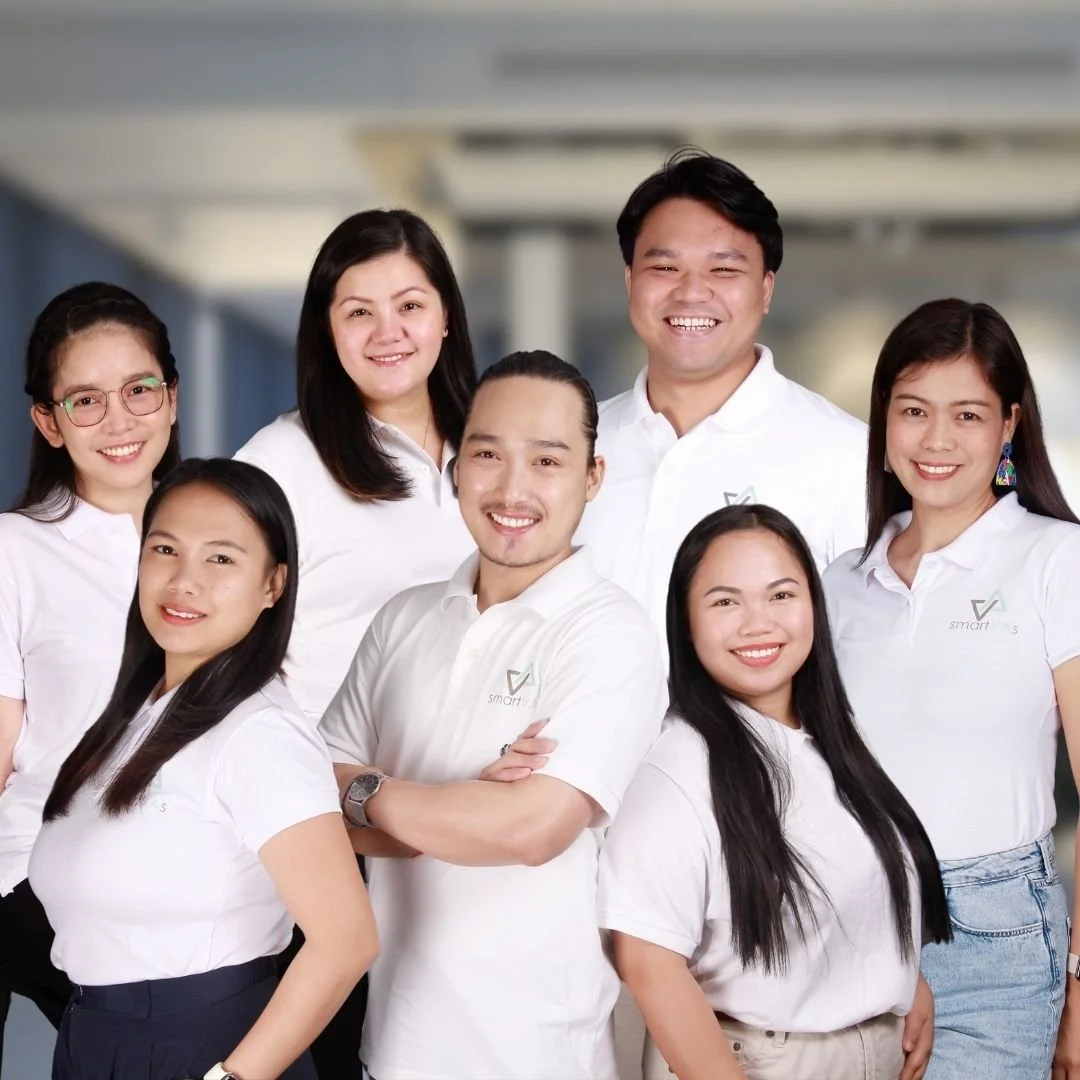
Smart VAs provides a team of highly skilled specialists from around the world, ensuring seamless support no matter the time zone. We take pride in delivering efficient, fast, and high-quality service so you can focus on growing your business. With one subscription plan, you gain access to a complete team of digital marketing experts that’s customized to your unique needs, eliminating the need to train and look for one yourself!